Quantum-powered SaaS (Software as a Service) refers to software applications that utilize quantum computing techniques to enhance their performance, solve complex problems, or offer capabilities beyond classical computing. While quantum computing is still in its early stages, its potential to revolutionize various industries, including software services, is being used.


A quantum-powered CRM (Customer Relationship Management) system would leverage quantum computing capabilities to enhance data processing, analysis, and prediction tasks within CRM applications. This could potentially lead to faster and more accurate customer insights and personalized experiences. However, quantum computing is still in its early stages, so widespread adoption of quantum-powered CRM systems may be some time away.

Quantum computing has potential applications in various fields, including robotics. Quantum-powered computing can enhance the capabilities of robots by enabling them to process complex algorithms more efficiently, optimize decision-making processes, and solve problems that are currently beyond the reach of classical computing. However, the practical implementation of quantum computing in robotics is still in the early stages, and significant research and development are needed to fully realize its potential
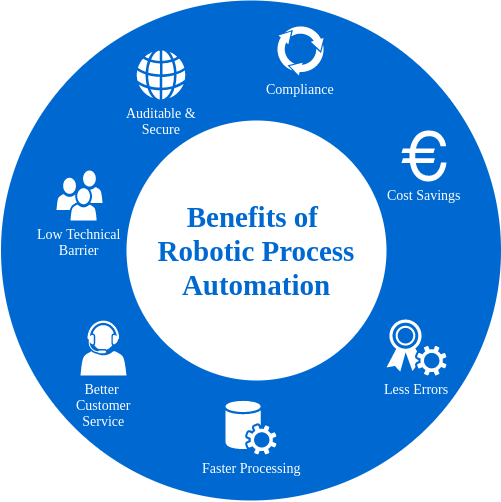
Quantum computing has shown promise in tackling complex optimization and simulation problems, which are integral to many processes in robotics and automation. While research in this area is ongoing, the practical implementation of quantum-powered RPA (Robotic Process Automation) is still in its infancy. However, as quantum computing technology matures, it may eventually revolutionize various aspects of automation, enabling more efficient algorithms for decision-making, optimization, and resource allocation in RPA systems.

Quantum technology could potentially impact cellular biology research by enabling more advanced simulations of biological systems at the quantum level. This could lead to a deeper understanding of complex biological processes such as protein folding, molecular interactions, and cellular signaling pathways. However, it’s important to note that while quantum computing holds promise for accelerating certain types of computations in biological research, its practical application in this field is still in the early stages of development. Continued research and collaboration between quantum physicists and biologists will be essential to unlock the full potential of quantum-powered technology in cellular biology.
 MyFoodwallaTechnology