RPA stands for Robotic Process Automation. It is a technology that involves using software robots or artificial intelligence (AI) workers to automate repetitive, rule-based tasks that are typically performed by humans interacting with digital systems and software.
RPA works by mapping a process or task in the software system and then using software robots or bots to mimic the actions that a human would take to complete that task. These bots can interact with different applications, websites, databases, and systems, just like a human would, but they can do so much faster, more accurately, and without getting fatigued.
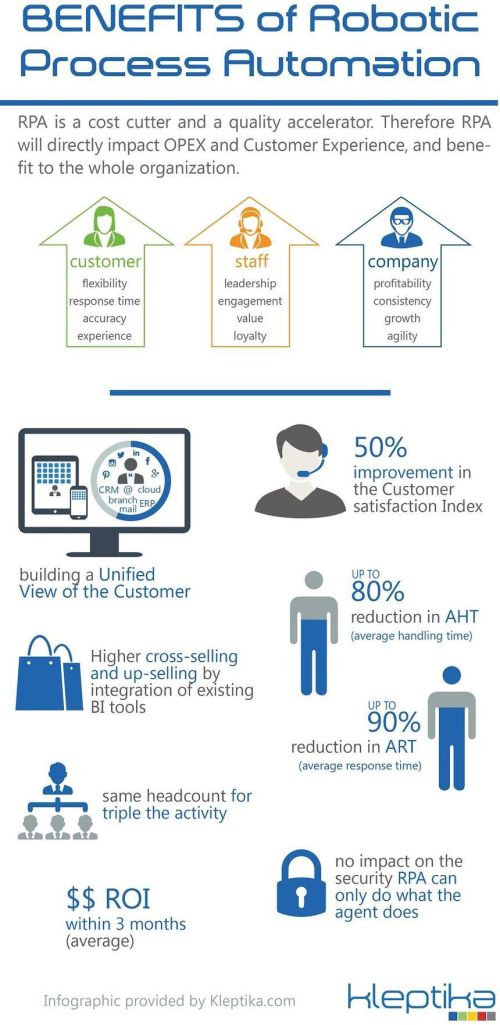
Some key features and benefits of RPA include:
- Automation: RPA automates repetitive, routine tasks, freeing up human workers to focus on more complex and value-adding activities.
- Cost savings: By automating tasks, organizations can reduce the need for manual labor, leading to cost savings.
- Increased accuracy: RPA bots are programmed to follow predefined rules and processes, reducing the likelihood of human error.
- Scalability: RPA bots can be easily scaled up or down to meet changing business demands.
- Compliance and audit trail: RPA systems can be configured to maintain detailed logs of all actions taken, ensuring compliance with regulations and providing an audit trail.
RPA is being widely adopted across various industries, such as banking, finance, healthcare, insurance, and customer service, to streamline business processes, improve operational efficiency, and enhance customer experience.
 MyFoodwallaTechnology