artificial intelligence (AI) has promising applications in analyzing biochemistry reports and predicting health report.
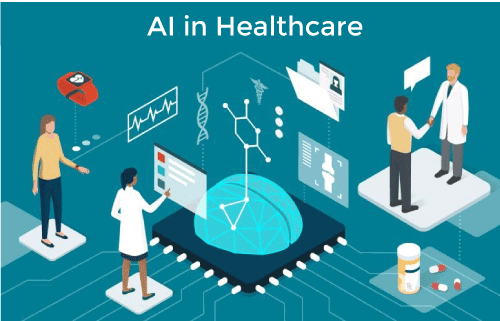
AI and machine learning models can indeed be trained to analyze biochemical test results and identify patterns that may indicate various health conditions or risk factors. Some key points to consider:
- Predictive capabilities: AI can potentially identify early warning signs or risk factors for certain conditions before they become clinically apparent.
- Pattern recognition: Machine learning algorithms can detect subtle correlations between multiple biomarkers that human experts might overlook.
- Accuracy considerations: While AI models can be very powerful, their accuracy depends heavily on the quality and quantity of training data. They may not always be as reliable as experienced human clinicians.
- Complementary tool: AI is generally seen as a tool to assist healthcare professionals rather than replace their expertise entirely. The final interpretation and diagnosis typically involve human judgment.
- Evolving field: This is an active area of research and development. New AI models and applications in health diagnostics are constantly emerging.
- Ethical and regulatory aspects: Use of AI in healthcare diagnostics raises important questions about data privacy, algorithmic bias, and regulatory approval processes.
- Limitations: AI models may struggle with rare conditions or unusual presentations that weren’t well-represented in their training data.
Artificial Intelligence (AI) is having a significant impact on healthcare. Here’s a brief overview of some key applications:
- Diagnosis and imaging analysis:
AI algorithms can analyze medical images like X-rays, MRIs, and CT scans to detect abnormalities and assist radiologists. - Drug discovery:
AI accelerates the drug development process by analyzing large datasets to identify potential new medicines. - Personalized treatment:
Machine learning models can help tailor treatments to individual patients based on their genetic profile and medical history. - Remote patient monitoring:
AI-powered wearables and IoT devices can track patient health metrics and alert healthcare providers to potential issues. - Administrative tasks:
AI can streamline administrative work like scheduling, billing, and maintaining electronic health records.
 MyFoodwallaTechnology